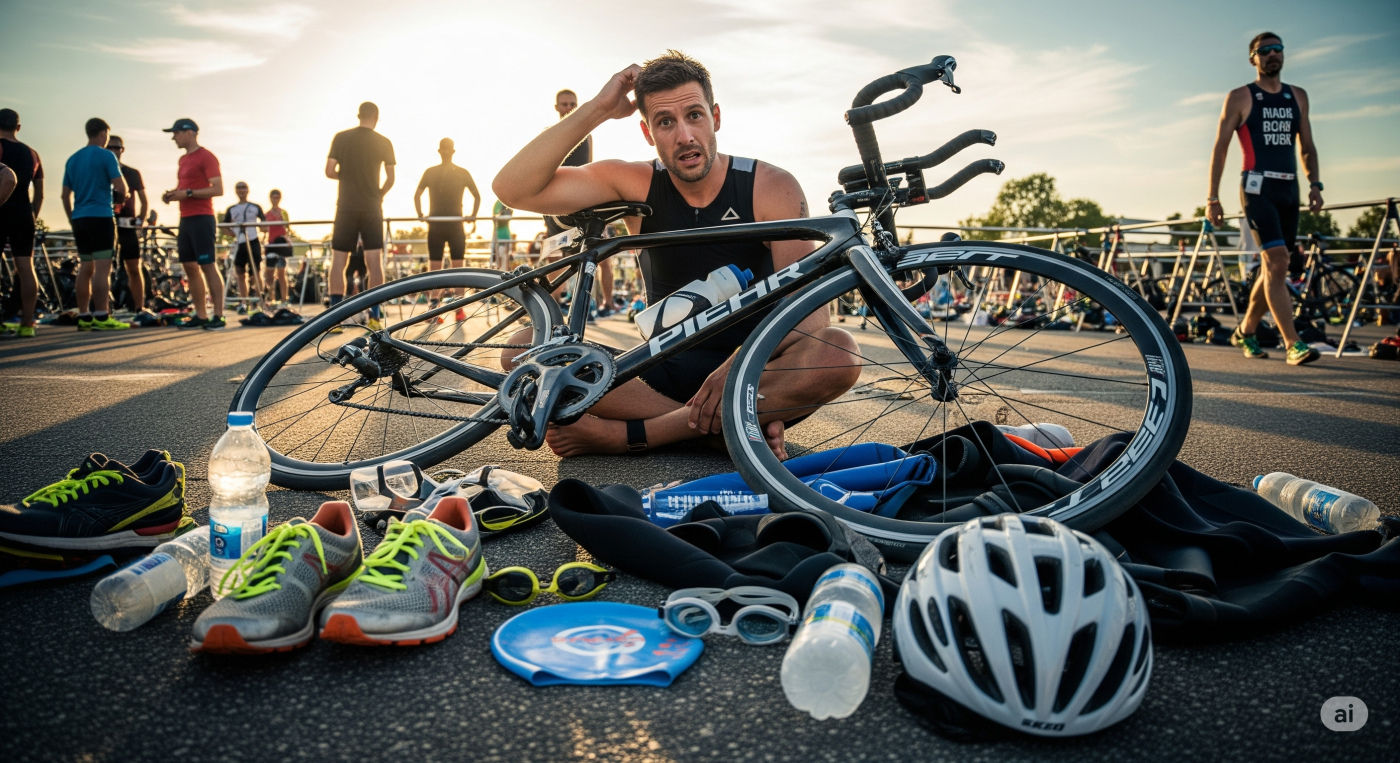
Embarking on your first triathlon is an incredible and exciting journey. You’ve made the commitment, bought the gear, and maybe even signed up for the race. But as you start your training, it’s easy to feel a little overwhelmed.
The good news is that many of the challenges you’re facing are common—and completely avoidable. This post will walk you through five of the most frequent mistakes new triathletes make and give you the knowledge you need to train smarter, stay healthy, and have an amazing race day experience.
Mistake #1: Training Without a Plan (or with the Wrong Plan)
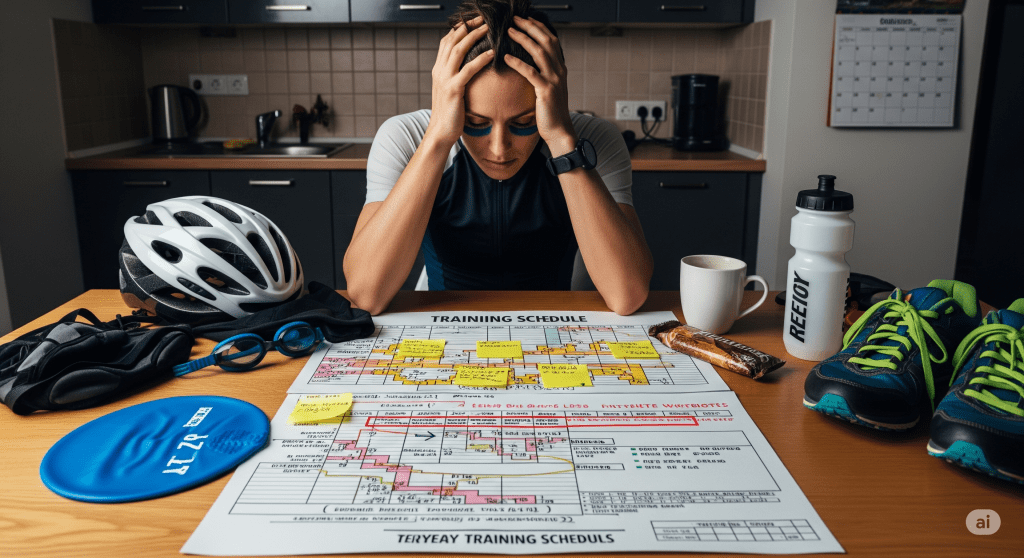
Many first-time triathletes get excited and jump into training without a structured plan. They might do a lot of swimming, cycling, or running, but they often lack a clear purpose for each workout. This can lead to overtraining, injury, or simply not being prepared for the demands of race day.
The fix is simple: Follow a well-structured training plan. A good plan breaks down your training into manageable phases and specifies the purpose of each workout (e.g., endurance, speed, recovery). This ensures you’re building fitness in a smart, progressive way.
The Importance of a Coach and Technology
A significant part of having a great training plan is leveraging both the expertise of a coach and the power of technology. Platforms like TriDot use artificial intelligence and a vast dataset to create an optimized, personalized training plan for you. This allows a coach to:
- Tailor a plan to your unique needs: While the platform handles the data-heavy aspects of training prescription, a coach can customize the plan to fit your schedule, experience, and life circumstances.
- Provide accountability and motivation: Your coach is there to keep you on track and motivated, especially on days you don’t feel like training.
- Offer expert feedback and support: A coach can analyze your form, provide valuable insights on technique, and offer guidance on things like race-day nutrition, equipment, and mental preparation—all things that technology can’t replicate.
This combination allows the technology to handle the science of training while the coach focuses on the art of coaching.
Mistake #2: Underestimating the Importance of “Bricks”

A “brick” workout is when you do two disciplines back-to-back, most commonly a bike ride immediately followed by a run. For a first-time triathlete, the sensation of starting a run after a long bike ride can be a shock to the system. That heavy, “jelly legs” feeling is normal, but it’s a huge disadvantage on race day if you haven’t prepared for it.
Many new triathletes skip these key workouts because they don’t understand their importance. The purpose of brick workouts is to train your body to adapt to the unique biomechanics of running on tired legs. A well-designed plan, strategically places these sessions to prepare you specifically for the race-day experience.
Mistake #3: Neglecting Technique in Favor of Volume
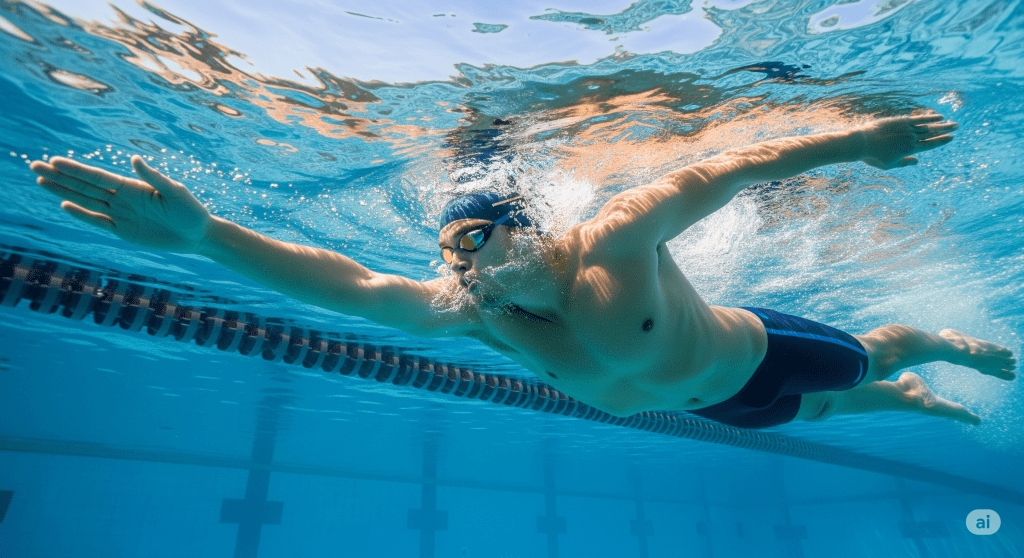
A common belief among new athletes is that more training is always better. They believe that if they just run, bike, and swim more, they’ll get faster. However, simply adding volume without focusing on proper technique can be counterproductive. Poor form is not only inefficient, meaning you work harder to go the same speed, but it also significantly increases your risk of injury.
This is especially true in swimming, but it applies to all three disciplines. Focusing on your form—your stroke in the water, your pedal stroke on the bike, and your running stride—is crucial for long-term improvement and staying healthy. A personalized plan can help you find the optimal balance between intensity, volume, and skill work.
Mistake #4: Race-Day Gear and Nutrition Mistakes

For a first-timer, race day can feel like the final exam, and it’s tempting to use new, untested gear or a different nutrition strategy that you’ve heard is “the best.” This is a major mistake. The golden rule of triathlon is simple: “Nothing new on race day.”
This rule applies to everything: your race kit, your shoes, your nutrition gels, and your hydration mix. Your body and mind need to be familiar with everything you’ll use during the race. Testing everything in training helps you avoid stomach issues, blisters, chafing, and other problems that can ruin your race.
The goal is to eliminate surprises so that you can focus entirely on your performance.
Mistake #5: Going Out Too Hard on Race Day
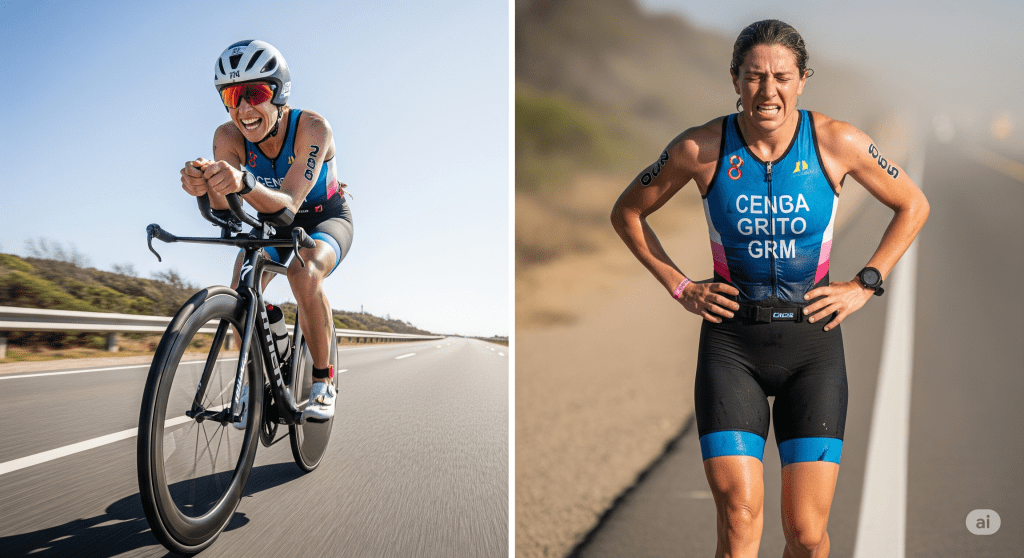
This is one of the most common and often painful mistakes a beginner can make. Race-day adrenaline is a powerful force, and it’s easy to get swept up in the excitement and go out much faster than you planned, especially on the swim or the bike.
Unfortunately, this often leads to a major “bonk” or burnout later in the race, where your energy completely crashes. A smart race strategy involves pacing yourself from the start, staying within your planned effort zones, and saving energy for a strong finish. A good plan, helps you understand your optimal training and racing zones so you can avoid this costly mistake.
If you need help with your training or need a Coach to prepare you for your next challenge, send me a message and I’ll be happy to help you.

Andrés Sauma
Ironman U Certified Coach
Tridot Coach


 Andres Sauma Triathlete Blog
Leave a comment