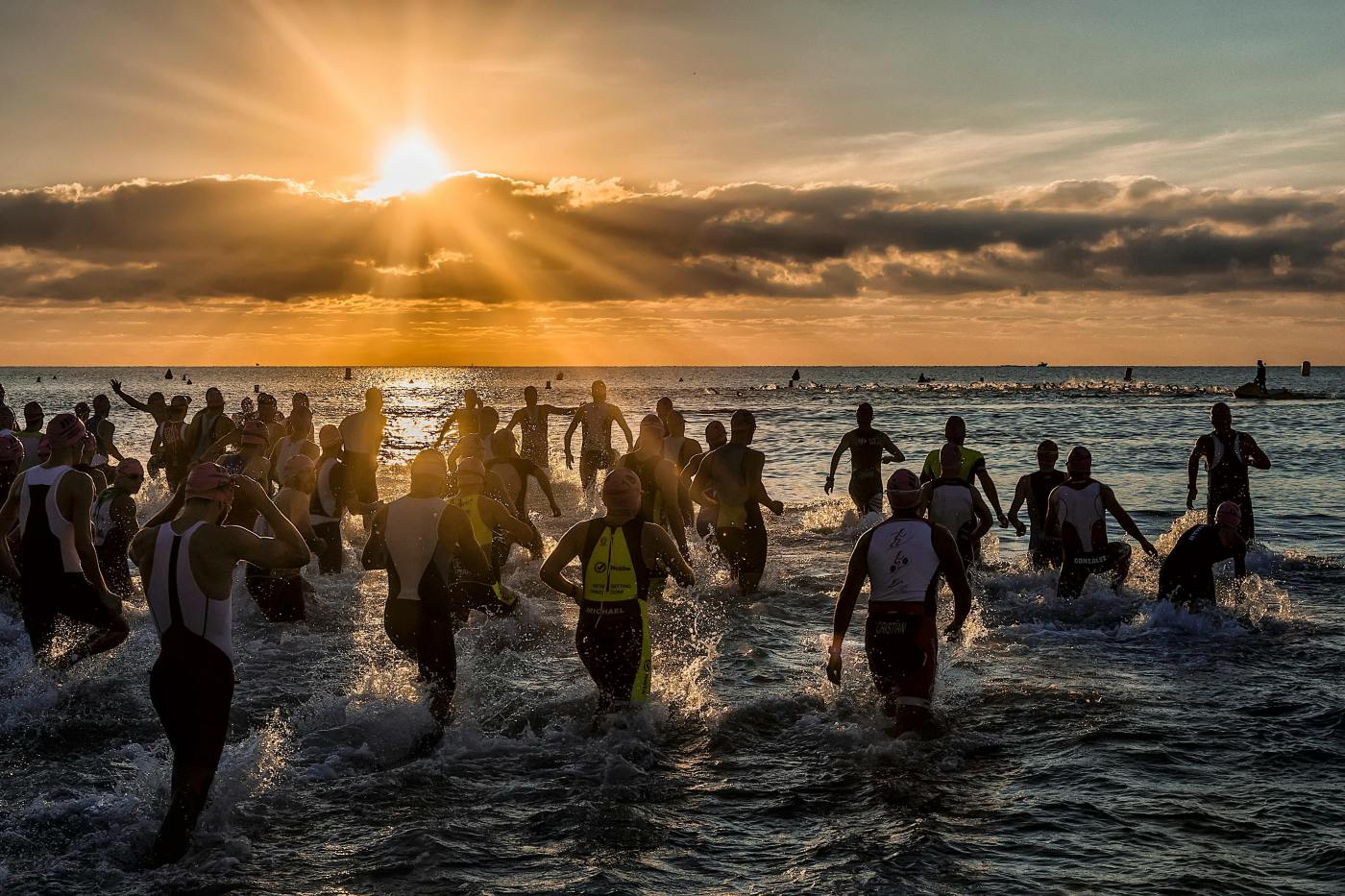
Commitment is key to successfully training for a full-distance Ironman event. It requires dedication, discipline, and sacrifice. You’ll need to prioritize training over other activities, and be willing to put in the hard work, even when you don’t feel like it. This commitment will not only help you achieve your fitness goals, but it will also teach you valuable life lessons about perseverance and determination.
Choosing the race
Choosing a triathlon race involves considering factors like elevation, popularity, and timing. Balancing training with daily life requires mental preparation, time management, and prioritizing tasks.
- Race Selection Criteria: Consider course elevation, popularity, timing, and personal preferences.
- Course Type: Flat courses are popular for beginners and those aiming for World Championships qualification.
- Travel Considerations: Factor in climate, training needs, and travel costs (registration fees, airfare, transportation, food, and lodging).
Coach or No Coach?
Training for a full-distance triathlon is challenging but rewarding. You can choose to hire a coach, follow a training plan, or train independently. Hiring a coach provides personalized support and guidance, while following a training plan offers structured workouts but lacks individualized advice.
- Coaching Benefits: Provides personalized training plans, progress tracking, and support for various aspects of triathlon training.
- Training Plan Benefits: Offers structured workouts, periodization, and intensity customization, but lacks individualized support.
- Self-Training Risks: High risk of overtraining, injury, and burnout due to lack of guidance and support.
- Training Platforms. Some training platforms offer various advantages as well as personalized coaching. Tridot training platform has partnered with Ironman and offers various benefits including training with AI (artificial intelligence). Follow this link if you would like to receive a 2 months Free Trial subscription with all functionalities. https://app.tridot.com/onboard/sign-up/andressauma?type=81&sub=64
Equipment and Gear
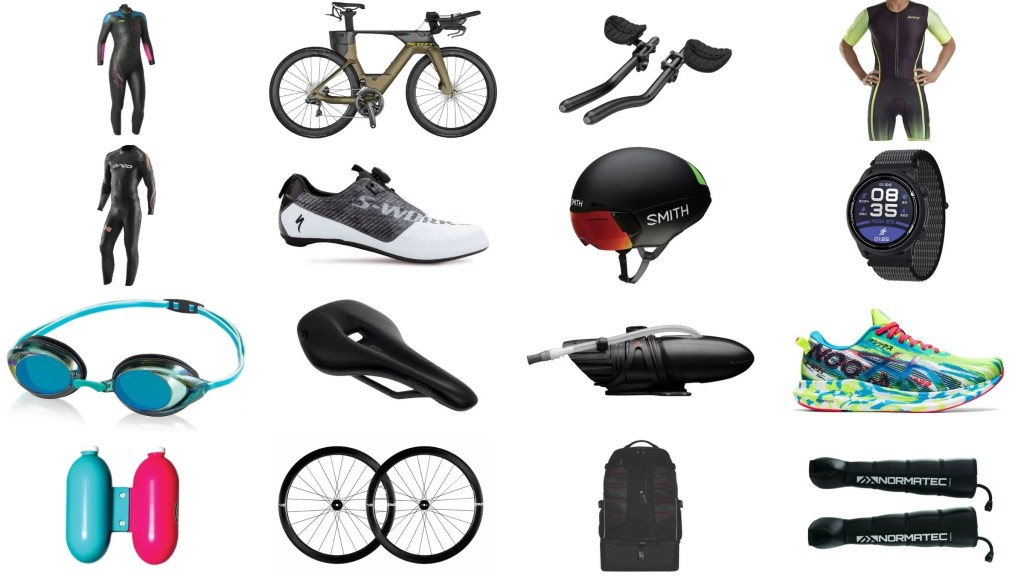
Full-distance triathlons require essential equipment, including a wetsuit, tri suit, bike, clipless pedals, helmet, and hydration system. Additional gear like sunglasses, running shoes, and a GPS watch can enhance performance and comfort. Investing in a bike fit and coaching can provide more value than any other equipment.
- Essential Swim Gear: Wetsuit, swim cap, and goggles.
- Essential Bike Gear: Road bike with clipless pedals, bike shoes, and a helmet.
- Triathlon Suit: A two-piece or one-piece tri suit for convenience and comfort.
- Hydration System Selection: Choose from various options like front-mounted systems, saddle-mounted cages, or hydration backpacks, and start using them early for familiarity and safety.
- Essential Running Gear: Invest in comfortable, well-fitting running shoes that are broken in and replaced every 200 miles, and consider a hat or visor for sun protection.
- Training Technology: Utilize GPS watches with heart rate monitors for tracking workouts and seamless data transfer, and consider indoor trainers for efficient training, especially in adverse weather conditions.
- Prioritize Bike Fit and Coaching: More valuable than any other triathlon equipment.
- Bike Fit and Coaching Benefits: Provide significant value.
Building the Athlete

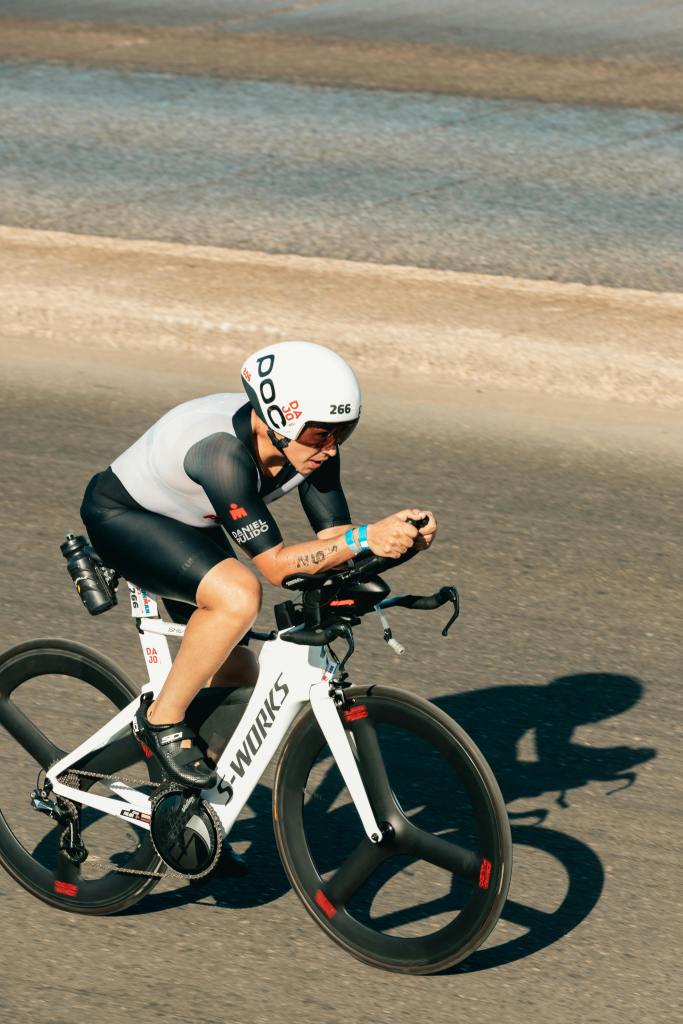
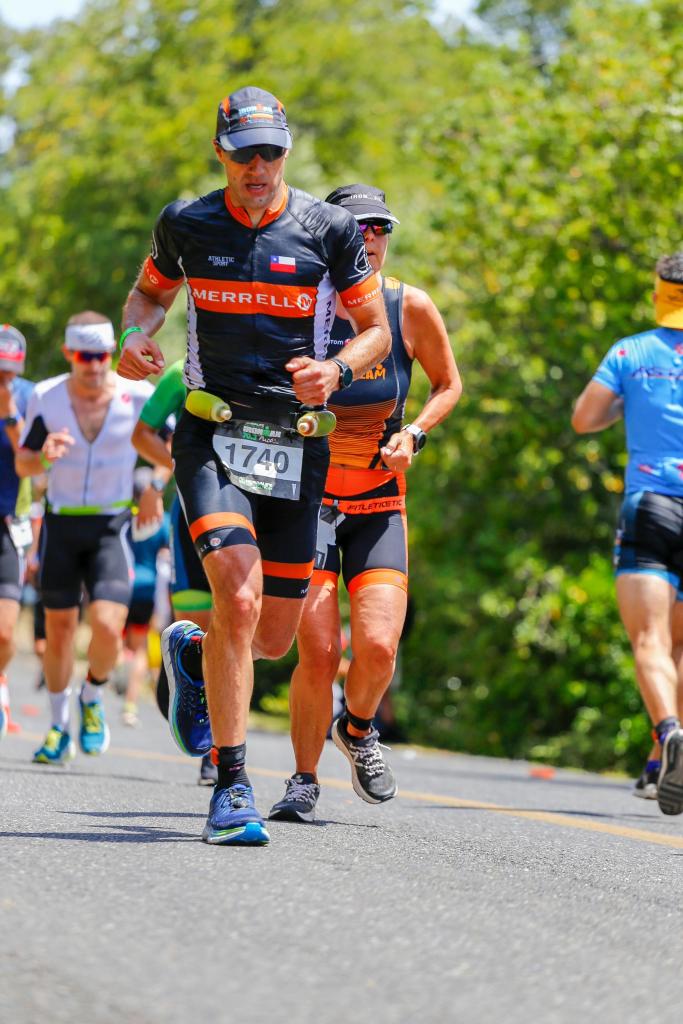
Training for a full-distance triathlon involves perfecting technique, building fitness benchmarks, and addressing weaknesses. Focus on swimming, cycling, and running, with weekly training hours varying based on experience and fitness level. Seek guidance from coaches or experienced athletes to enhance skills and prepare for the race.
- Training Focus: Perfecting technique, form, and handling in all disciplines, especially the weakest one.
- Training Duration: Weekly training hours varying based on experience, age, and fitness level.
- Swimming Specifics: Focus on building a solid foundation of technique and efficiency, particularly pacing, to avoid fatigue and improve performance.
- Training Focus: Cycling should be the primary focus of training, especially in the build-up weeks.
- Skill Development: New riders should focus on building skills like clipping in, group riding, and handling.
- Running Form: Developing good running form and muscle alignment is crucial, especially after the bike leg.
- Fitness Benchmarks: Vital for tracking progress and fatigue in triathlon training.
Training for a full-distance triathlon involves race specificity, including mimicking course conditions and nutrition. Incorporating high-intensity intervals and brick workouts helps build stamina and speed. Strength training, even with bodyweight exercises, can prevent injury and prepare the body for the demands of the race.
- Race Specificity Training Definition: Carefully planning workouts to mimic race conditions, terrain, and physiological stress.
- Importance of Race Specificity: Helps with physical and psychological performance on race day.
- Tools for Specificity Training: Software like Tridot can provide accurate predictions for bike splits based on specific metrics.
- Altitude Training: Consider training camps or trips at elevation to acclimate to altitude’s effects, which vary individually.
- Training Intensity: Incorporate high-intensity efforts like interval training (20% of training) to build stamina, speed, and adaptations for long-distance racing, complementing the majority of low-intensity training.
- Training Volume: Focus on long, easy mileage to increase endurance and stamina.
- Open Water Swimming Training: Start training in open water, considering the specific type of swim (ocean, lake, etc.) for race specificity.
- Sighting Techniques: Practice sighting during training to ensure swimming straight and efficiently, choosing tall, large, and bright objects.
- Breathing and Goggles: Sight every 10 strokes and ensure goggles are clean, de-fogged, and tinted/polarized for optimal visibility.
- Bilateral Breathing: Develop bilateral breathing to streamline stroke, find rhythm, and adapt to crowded conditions.
- Race Start Preparation: Practice fast-paced starts and controlled breathing to manage heart rate spikes during races.
- Water Entry Techniques: Practice water entry from deep water or shore, and consider starting at the back in mass starts to acclimate to crowded conditions.
- Open Water Swimming Tips: Get comfortable with being bumped, learn to draft off other swimmers, and practice sighting and breathing techniques.
- Pool Training for Open Water: Practice sighting, hypoxic breathing, bilateral breathing, swimming with a wetsuit, and swimming around objects to simulate open water conditions.
- Brick Workouts: Incorporate brick workouts (running or biking immediately after swimming) to adapt to the “jelly legs” feeling and improve blood flow transition.
- Pre-race Preparation: Experience a four-hour bike ride followed by a one-hour run, similar to the race conditions.
- Brick Workouts: Adapt to different transitions, such as bike-to-run or swim-to-bike, to prepare for the race.
- Strength Training: Incorporate strength training one to two times a week to prevent injury and prepare the body for the demands of the race.
Nutrition: The fourth Discipline
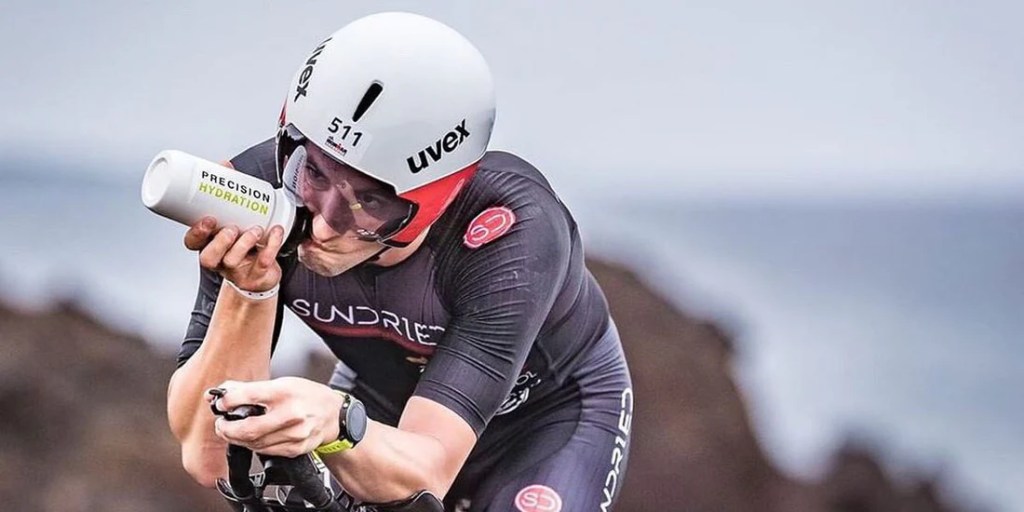
Athletes should train specifically for their goals, including nutrition. Full-distance triathletes need to focus on carbohydrate intake and hydration, and should practice their nutrition plan during training to avoid race-day issues.
- Nutrition Importance: The biggest problem for full-length triathlon competitors is a poor nutrition plan, not a lack of fitness.
- Carbohydrate Intake: Consume 60-90 grams of carbohydrates per hour to maintain glycogen stores and provide energy. Your gut must be trained aswell.
- Sweat Rate Calculation: Determine sweat rate by weighing yourself before and after a 90-minute workout and calculating fluid loss.
- Nutrition Strategy Practice: Practice different consistencies and products during training to find what works best.
- Training Conditions: Test nutrition plan in similar conditions to race day, including temperature and available resources.
- Race Day Nutrition: Stick to the nutrition plan that worked in training to avoid issues like bonking or gastrointestinal distress.
B, C Races & Brick Workouts

Tune-up races, categorized as “B” or “C” priority, provide opportunities to test strategies and iron out race details. Brick workouts, involving two sports performed back-to-back, help adapt the body to triathlon demands. Staying motivated involves joining a group, seeking coaching, assessing time management, gauging fatigue, and refocusing on the reasons for the race.
- Tune-Up Race Purpose: To test nutrition, transitions, pacing, and race details.
- B-Priority Race Timing: One month before the full-distance race, ideally at the end of a recovery week.
- C-Priority Race Focus: Pure practice and race specificity training, focusing on one or two areas for improvement.
- Brick Workout Definition: Two different sport disciplines performed back-to-back, typically bike-to-run or swim-to-bike.
- Brick Workout Benefits: Helps the body adapt to triathlon demands, including muscle and nerve firings during transitions.
Tapering
Tapering is crucial for long-distance triathlons, allowing the body to absorb adaptations and prepare for the race. During tapering, focus on equipment maintenance, such as wetsuit and goggle checks, to avoid mechanical failures. Nutrition should be timed properly, with regular meals and adequate fueling, even if there is extra weight gain.
- Taper Purpose: Allows the body to absorb adaptations from training, reset, and build for optimal performance on race day.
- Taper Training: Gradual decrease in mileage and intensity, focusing on short muscle and nerve activations, with a few days off closer to race week.
- Taper Discomfort: Feeling worse during taper is common, indicating the body is recovering and preparing for the race.
- Taper Effects: Mentally, you may experience anxiety or depression. Physically, you may feel lethargic, experience aches and pains, or get sick.
- Taper Recovery: Focus on mental health, spend time with loved ones, and prepare for the race. Eat well and get plenty of sleep.
- Nutrition During Taper: Eat immediately upon waking and within an hour of finishing a workout. Avoid fat diets or weight loss.
Race Logistics
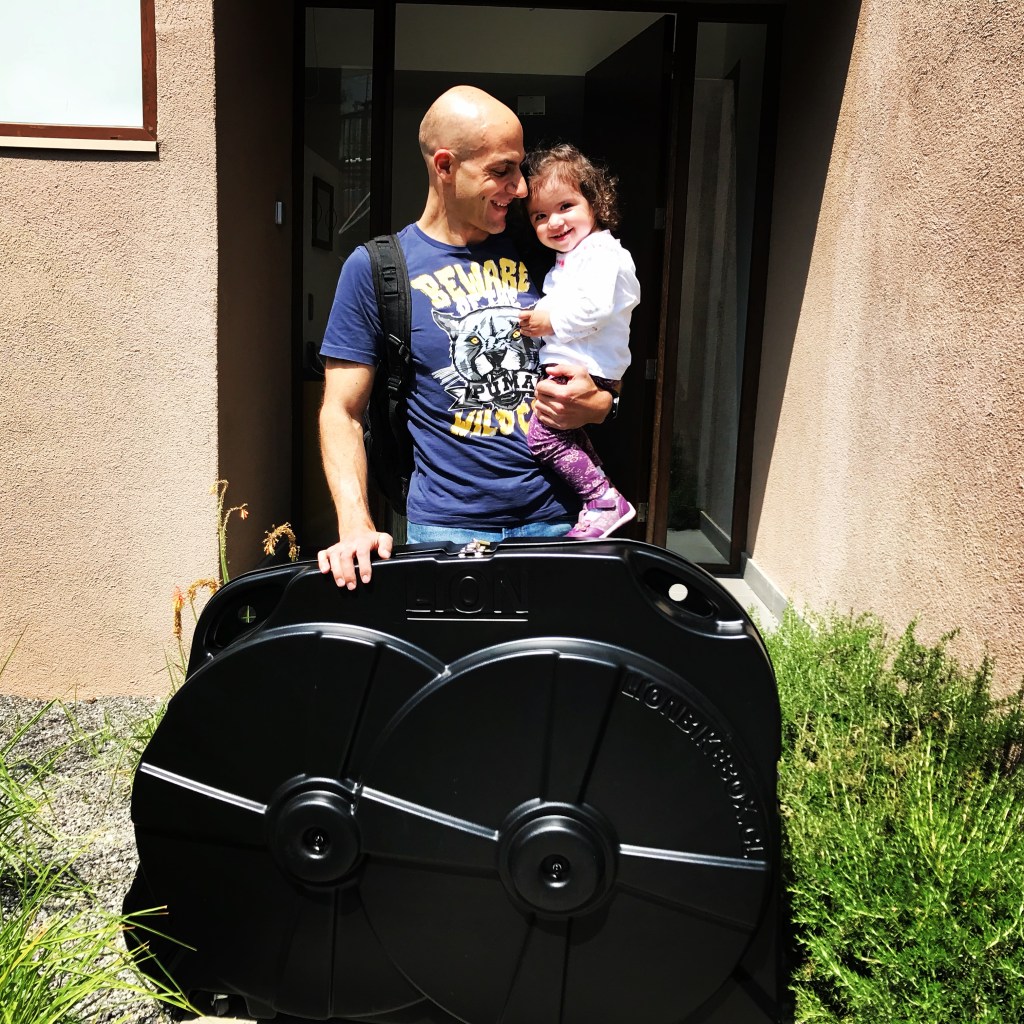
Before a race, ensure your bike is in good working condition and plan for transport. Consider using a transport service, boxing and shipping it yourself, or flying with it. Finalize travel logistics, including confirming reservations and researching the event area, to ensure a smooth race week.
- Equipment Maintenance: Get a bike tune-up, check and replace worn-out wetsuit, goggles, and cycling shoes/cleats.
- Race Day Essentials: Carry extra tubes, CO2 cartridges, and a portable bike pump for flat tire changes.
- Safety First: Ensure your helmet meets safety standards (e.g., USA CPSC) and has functional straps.
- Bike Transport Planning: Don’t wait until the last minute to plan bike transport, as it can be expensive and require a lengthy lead time.
- Bike Transport Methods: Three main options are using a transport service, transporting yourself, or having a friend/family member transport it.
- Transport Service Considerations: While costly, these services handle all equipment transport, but require dropping off your bike (and gear) at a local bike shop well in advance of the race.
- Shipping Options: Boxing and shipping the bike yourself or using a shipping service.
- Bike Shipping Considerations: Cost, transit time, insurance, and delivery location.
- Flying with the Bike: Allows for last-minute use and immediate availability, but can be expensive and risky.
- Travel Preparation: Double-check reservations, plan for jet lag, and familiarize yourself with the event area.
- Bike Preparation: Pack the bike carefully or have it assembled by a qualified mechanic upon arrival.
- Race Week Essentials: Stock up on nutrition items and plan activities for family members during race week.
Race Week
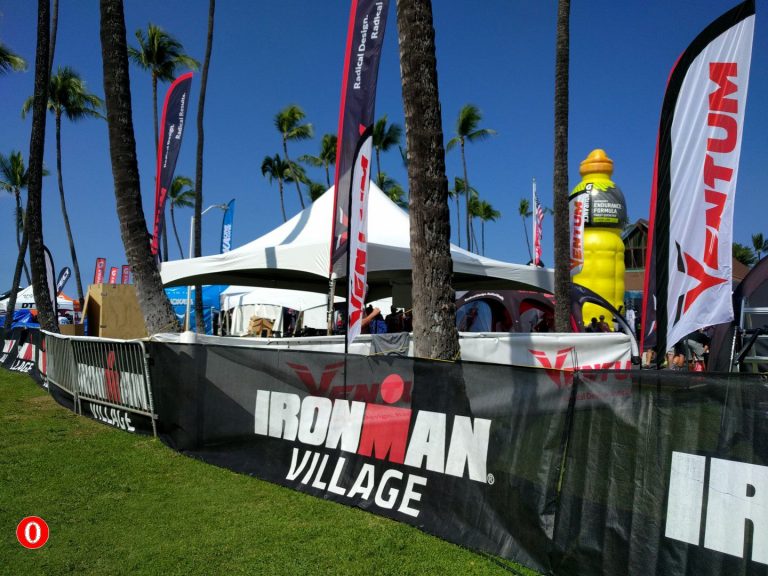
In the final week before a triathlon, athletes should prioritize nutrition, rest, and travel preparation. Course familiarization, including swimming, biking, and running sections, is essential to anticipate challenges and optimize performance. Athletes should also plan for jet lag and altitude acclimation, and avoid experimenting with new foods or alcohol during race week.
Triathlon logistics include bike check-in and special needs bags, which should be packed with essentials like hydration, nutrition, and comfort items. Mental preparation is crucial, involving race visualization, positive thinking, and relaxation techniques to build confidence and focus. With proper preparation, athletes are ready to tackle the challenges of the race.
- Pre-Race Preparation: Focus on nutrition, rest, and mental game plan.
- Travel Preparation: Plan for jet lag, altitude acclimation, and pack well in advance.
- Travel Tips: Avoid last-minute packing, ensure bike is ready, and avoid sitting near sick passengers.
- Travel Preparation: Wear compression socks, drink plenty of water, and bring your own food.
- Food and Drink: Stick to familiar foods, avoid alcohol, and prioritize hydration.
- Travel Tips: Consider an aisle or bulkhead seat for easier bathroom access.
- Sleep Preparation: Get 8-9 hours of sleep daily, including on the plane and with naps, to prepare your body for the race.
- Jet Lag Management: Adjust your watch to the destination time zone, stay hydrated, and engage in light exercise upon arrival to minimize jet lag.
- Course Acclimation: Arrive at least 3-5 days early for races above 4,000 feet to allow your body to acclimate to the altitude.
- Pre-race Preparation: Practice swimming in conditions similar to the race, including water temperature and wetsuit use.
- Course Familiarization: Drive the bike and run courses to identify aid stations, special needs bag pick-up locations, and challenging sections.
- Race Day Strategy: Practice sighting, breathing, and swimming in a group to simulate race conditions.
- Bike Check-in Preparation: Check-in bikes and equipment the day before, ensuring race numbers are attached and bikes are protected from weather conditions.
- Special Needs Bags: Pack special needs bags with essentials like hydration, nutrition.
- Bike Maintenance: Adjust tire pressure based on weather conditions to prevent flat tires and carry a pump for race day.
Mental Preparation
A full-distance triathlon requires careful planning and preparation, including nutrition timing, warm-up routines, and race strategy. Athletes should focus on mental preparation, nervous system activation.
- Mental Preparation Techniques: Race visualization, positive thinking, and relaxation techniques.
- Race Visualization: Visualize the race course, focusing on positive scenarios and potential obstacles.
- Positive Thinking: Maintain a positive mindset and avoid negative thoughts or scenarios.
- Mental Preparation: Focus on controllable aspects like nutrition and pacing, and cultivate a positive attitude by replacing negative thoughts with positive ones.
- Realistic Expectations: Set achievable goals as guidelines rather than strict demands, and practice gratitude for the journey.
- Relaxation Techniques: Utilize meditation and breathing exercises to stay present and centered, enhancing performance on race day.
- Focus Technique: Staying in the moment and focusing on the task at hand during a race can help maintain energy levels and prevent distractions.
The Race


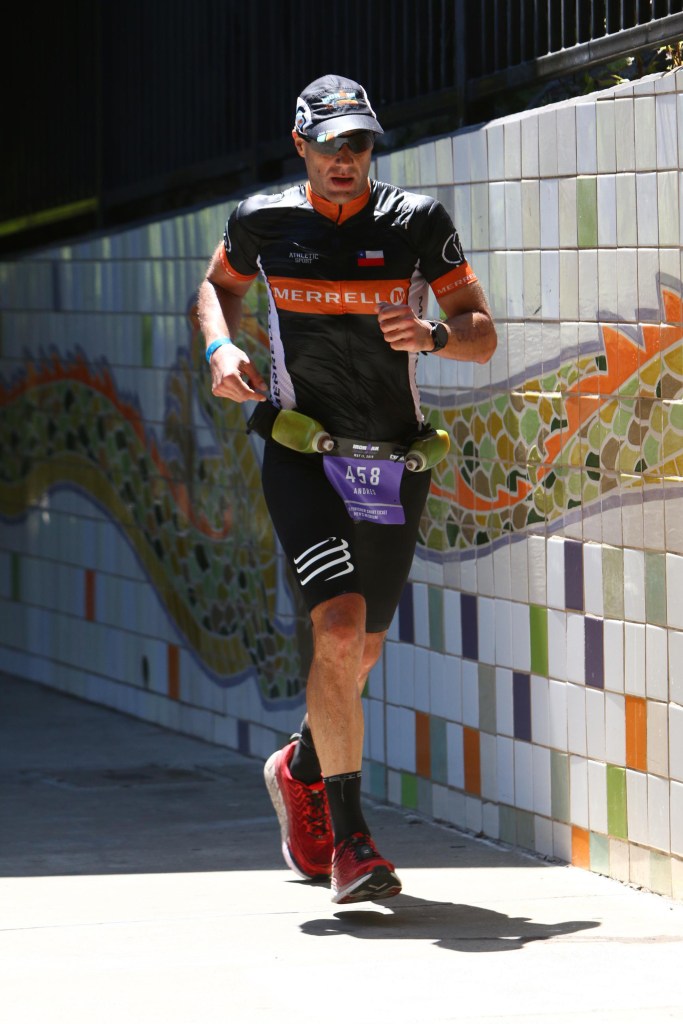

• Warm-up Focus: Prepare the body and mind for the demands of the race, considering factors like weather and water temperature.
• Warm-up Phases: Progressive warm-up focusing on mental preparation, nervous system activation, and muscular system preparation.
• Swim Start Strategy: Seed yourself accordingly in mass starts, follow wave start instructions, and anticipate congestion.
• Swim Technique: Breathe regularly, maintain a smooth and even stroke, and avoid going out too hard. Sight frequently, plan wide turns around buoys, and stay relaxed while swimming.
• Transition Preparation: Expect to feel dizzy after swimming, take off wetsuit and gear, get a drink, and head to transition.
• Wetsuit Removal Service: Take advantage of the volunteer wetsuit removal service to save time and energy.
• T1 Transition: Change into bike clothes, apply sunscreen, and eat something before heading out for the bike ride.
• Bike Ride Tips: Relax and take in nutrition during the first 10 miles, be patient with congestion, and follow drafting rules.
• Draft Zone Violation: Riding too close to another bike’s back wheel (within 12 meters) is a violation, except during passing.
• Passing Time Limit: Passing another competitor must be completed within 20 seconds, or the rider must return to the draft zone.
• Penalty System: Violations result in yellow (stop-and-go), blue (five-minute time penalty), or red (immediate disqualification) cards.
• Transition Phase (T2): Dismount bike, change into running gear, apply sunscreen, and prepare for the run.
• Run Phase: Start slowly, assess energy levels, and utilize aid stations for hydration and encouragement.
• Special Needs Bag Area: Located two-thirds through the bike, this area offers a chance to rejuvenate and refuel before the marathon.
• Special Needs Bag Access: Available at mile 13 for refueling, sunscreen, and chapstick.
• Mile 17-22 Challenges: Typically the toughest miles, with potential for darkness and cold weather.
• Finish Line Experience: Euphoric and rewarding, with a lit finish line and name announcement.
Post Race
After a race, athletes should engage in light swimming and non-impact cardio to aid recovery. To improve performance for future races, athletes should analyze their race performance, track training metrics, and consider using a training plan or hiring a coach.
- Post-Race Recovery: Engage in light swimming and non-impact cardio daily for the first week, then gradually reintroduce running.
- Mental Health Post-Race: Allow time for recovery and set another race or event goal to combat post-race depression.
- Reflecting on the Race: Analyze what went well and what could be improved for future races.
- Performance Improvement Strategies: Track metrics, find a training plan, and hire a coach.
 Andres Sauma Triathlete Blog
Leave a comment