
Polarized training is a training methodology that divides workouts into two primary categories:
- Low-intensity, long-duration workouts: These make up the bulk of your training, around 80-90% of your total training time. The goal is to improve aerobic capacity and endurance without stressing the body excessively.
- High-intensity, short-duration workouts: These are short, intense efforts designed to improve speed, power, and lactate threshold. They typically account for 10-20% of your training volume.
Why Polarized Training?
- Reduced Overtraining: By minimizing time spent in the moderate-intensity zone, athletes are less likely to overtrain, leading to improved recovery and performance.
- Enhanced Aerobic Capacity: The focus on low-intensity workouts significantly improves aerobic capacity, a cornerstone of endurance performance.
- Improved High-Intensity Performance: Regular high-intensity efforts lead to specific adaptations, such as increased power output and lactate threshold.
- Time Efficiency: While the total training volume might be similar to traditional training, the distribution of intensities can be more time-efficient.
How to Implement Polarized Training
- Heart Rate Zones: Using heart rate zones is a common method to determine workout intensity. Low-intensity workouts should be performed at a very easy pace, while high-intensity workouts should be at or near maximum effort.
- Power Meters: For cyclists, power meters provide precise data on workout intensity.
- RPE (Rate of Perceived Exertion): If you don’t have heart rate monitors or power meters, RPE can be used as a general guide.
Polarized Training Examples for Swim, Bike, and Run
Remember: These are general examples. Always consult with a coach to tailor a plan to your specific needs and goals.
Swim

- Low-intensity: Focus on easy, steady-state swimming, emphasizing technique and efficiency.
- Example: 3000m easy swim with pull buoy and fins, focusing on body position and arm turnover.
- High-intensity: Short, intense intervals with full recovery.
- Example: 8 x 100m at max effort with 300m easy recovery.
Bike
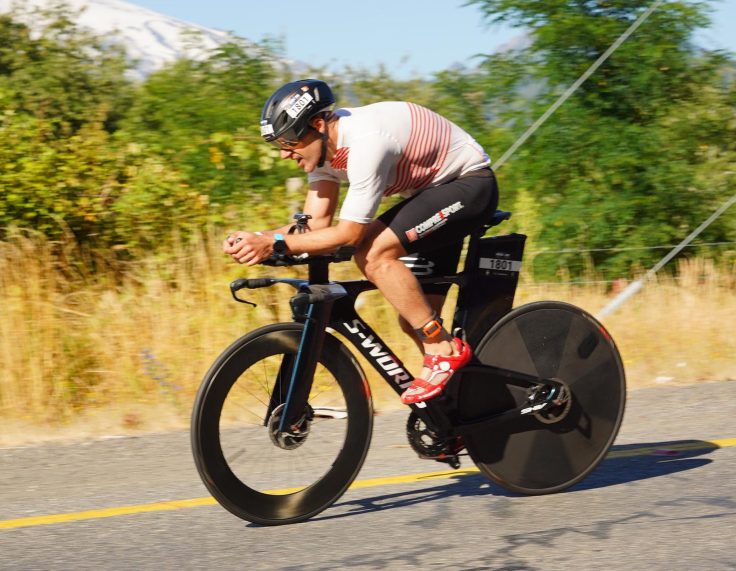
- Low-intensity: Long, easy rides at a conversational pace.
- Example: 3-hour easy ride at a comfortable pace, focusing on endurance and recovery.
- High-intensity: Short, high-intensity intervals with full recovery.
- Example: 8 x 30 seconds all-out with 4 minutes easy recovery.
Run

- Low-intensity: Easy, long runs at a conversational pace.
- Example: 90-minute easy run, focusing on building endurance.
- High-intensity: Short, hard intervals with full recovery.
- Example: 6 x 400m at near-maximal effort with 400m easy recovery.
Additional Considerations
- Heart Rate Zones: Use heart rate monitors to accurately gauge intensity.
- Power Meters: For cycling, power meters can provide precise data on workout intensity.
- RPE (Rate of Perceived Exertion): If you don’t have heart rate monitors or power meters, RPE can be used as a general guide.
- Progression: Gradually increase the intensity and volume of your workouts over time.
- Recovery: Prioritize sleep, nutrition, and rest to optimize recovery.
Remember: The key to polarized training is to spend the majority of your time in the low-intensity zone and limit high-intensity workouts to a small percentage of your overall training volume.
If you need help with your training or need a Coach to prepare you for your next challenge, send me a message and I’ll be happy to help you.

Andrés Sauma
Ironman U Certified Coach
Tridot Coach


 Andres Sauma Triathlete Blog
Leave a comment