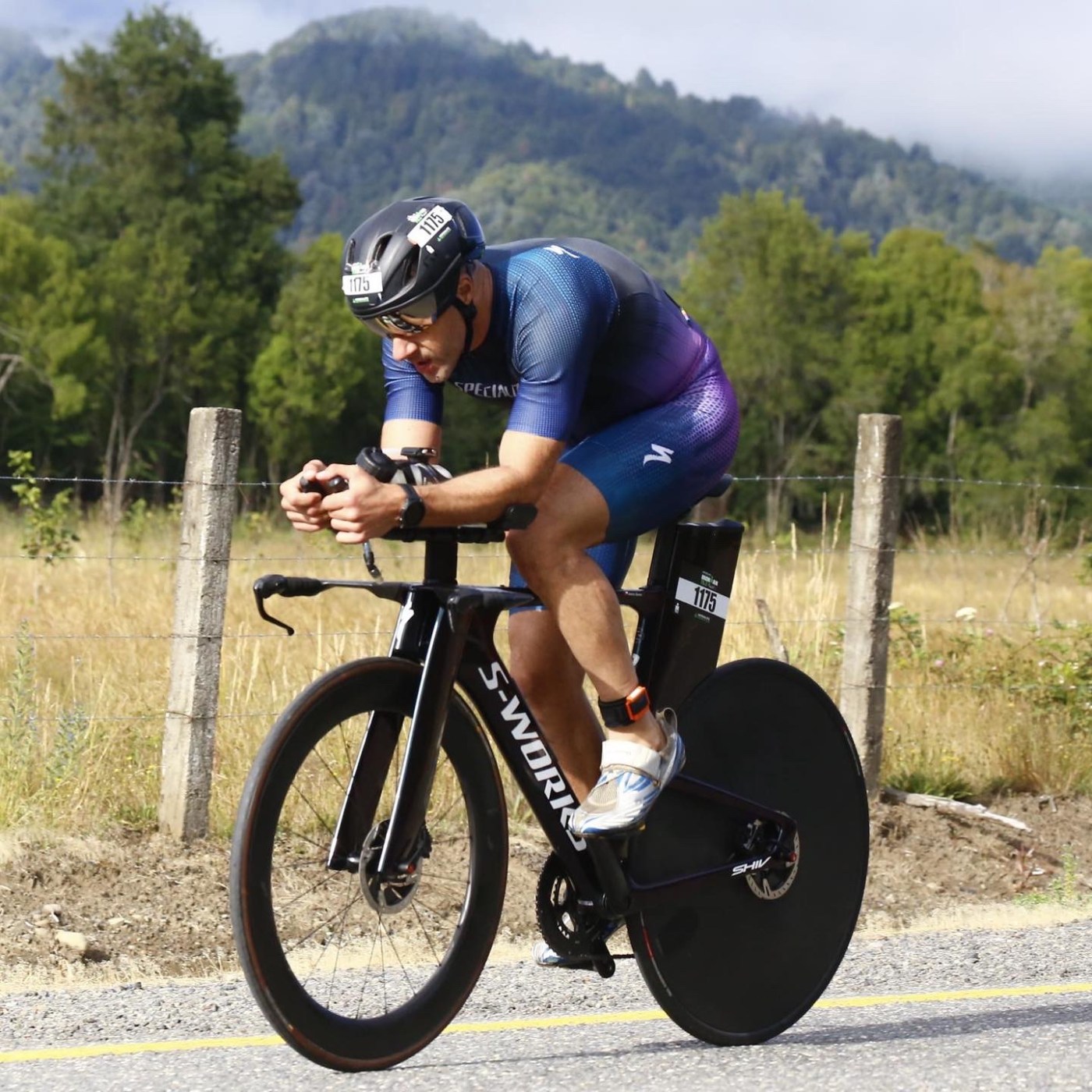
How Aero Equipment and Positioning Benefit Your Performance
Every triathlete knows the importance of efficiency in each discipline. In cycling, minimizing drag is key to boosting your speed and saving precious seconds on the race course. This article dives into the world of aero equipment and positioning, exploring how each element can shave valuable time off your bike split.
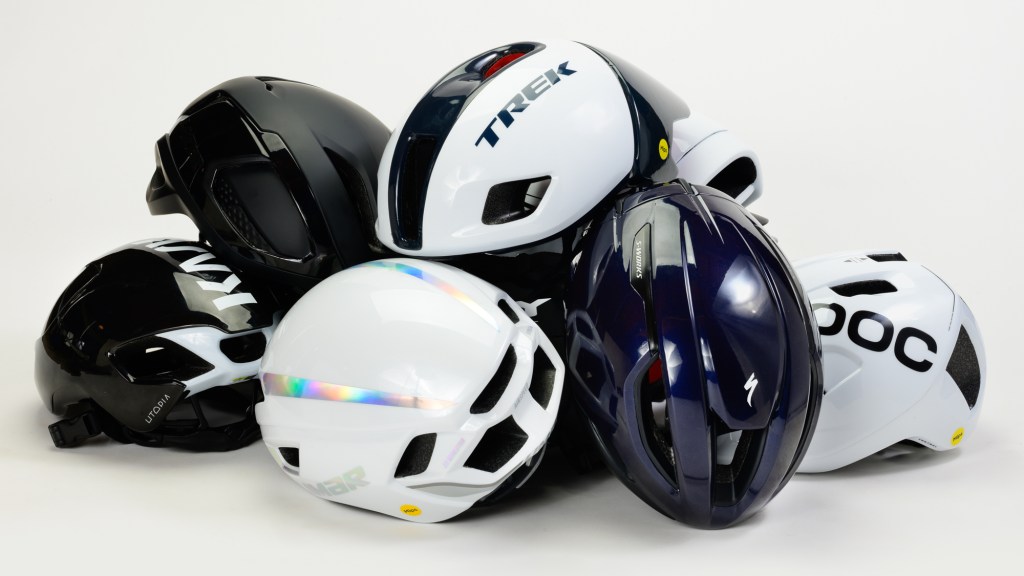
Helmet: Your trusty helmet is more than just safety gear. Aerodynamic helmets feature a smooth, teardrop shape with minimal vents to reduce turbulence and drag around your head. Some even have integrated tails that further streamline airflow .This seemingly small change can make a significant difference, especially at race speeds. Studies suggest aerodynamic helmets can save 5-10 seconds over a 40km bike leg at speeds exceeding 30 km/h (18.6 mph).
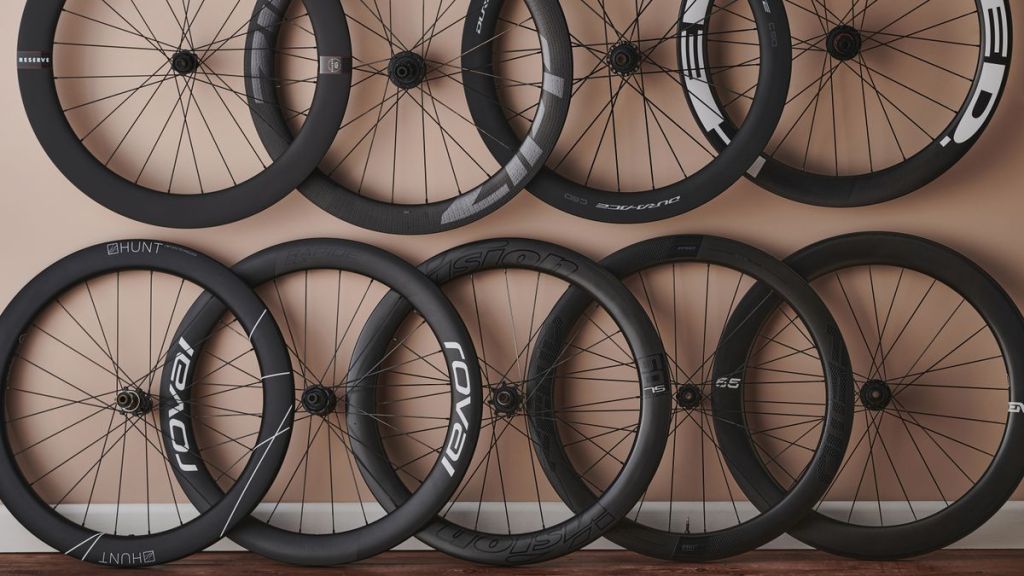
Wheels: Wheels are one of the biggest contributors to aerodynamic drag. Deep-section wheels, with their high rim profiles, cut through the air more efficiently than traditional box-section wheels . However, they can also be heavier and more susceptible to crosswinds. Consider your race course and wind conditions when choosing wheels. Additionally, newer disc wheels offer superior aerodynamics but are not legal for all triathlon events, so be sure to check the race regulations. Deep-section wheels can potentially save 10-20 seconds over a 40km bike leg compared to standard wheels.

Tires: While not as impactful as wheels, tire selection also influences aerodynamics. Thinner, higher-pressure tires offer lower rolling resistance, meaning less energy is lost to tire deformation. However, wider tires can provide a more comfortable ride and better handling in less-than-ideal conditions. Finding the balance between speed and comfort depends on your personal preference and race course. Opting for narrower, higher-pressure tires might save you 2-5 seconds over a 40km course.

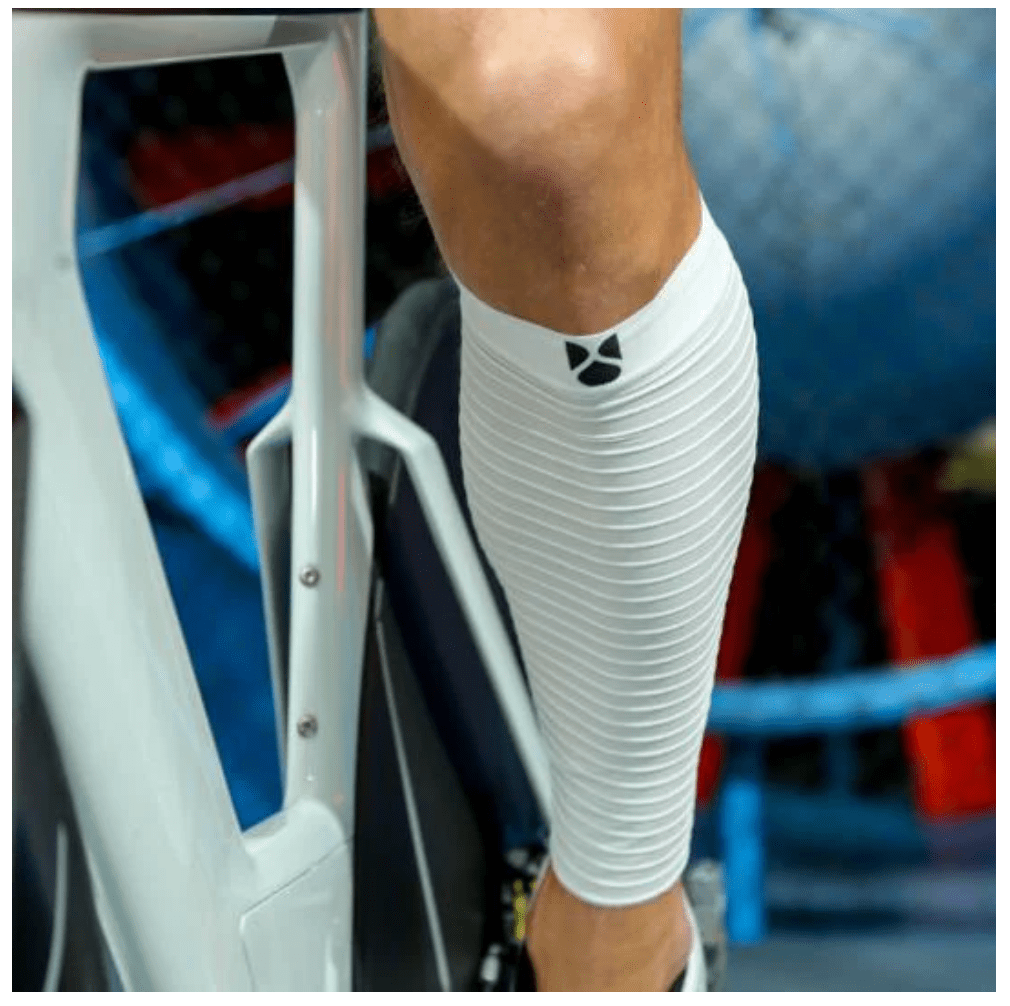
Aero Calf Sleeves: Don’t forget about your legs! Aero calf sleeves are a growing trend in triathlon, offering a marginal but measurable aerodynamic benefit. These calf-length compression sleeves improve airflow around the lower leg, reducing drag. An additional advantage is they can provide some muscle support and improve circulation, potentially reducing fatigue. They are also typically worn under wetsuits during the swim leg, saving valuable transition time. Gains from aero calf sleeves are smaller, potentially amounting to 1-3 seconds saved over a 40km bike leg.
Bike Position: Arguably the most significant factor in aerodynamics is your position on the bike. An aggressive, low-profile posture minimizes your frontal area, reducing wind resistance . Triathlon bikes are designed with this in mind, featuring steeper seat tube angles and lower handlebars compared to road bikes. However, comfort plays a crucial role here. An overly aggressive position can lead to fatigue and hinder performance later in the race. Working with a bike fitter can help you find the optimal balance between comfort and aerodynamics. A dialed-in bike position can yield gains of 10-20 secondsor more over a 40km course, depending on your previous position.


Beyond the Equipment: Remember, even the most aerodynamic equipment won’t deliver maximum benefit if your body position is off. Core strength and flexibility are essential for maintaining a low, stable posture throughout the ride. Additionally, practicing good cycling form – smooth pedaling, relaxed upper body – can significantly improve your overall efficiency.
By strategically incorporating aerodynamic equipment and optimizing your bike position, you can transform yourself into a faster, more efficient cyclist. Remember, small gains translate to big improvements over the entire bike course, potentially putting you on the podium on race day.
If you need help with your training or need a Coach to prepare you for your next challenge, send me a message and I’ll be happy to help you.
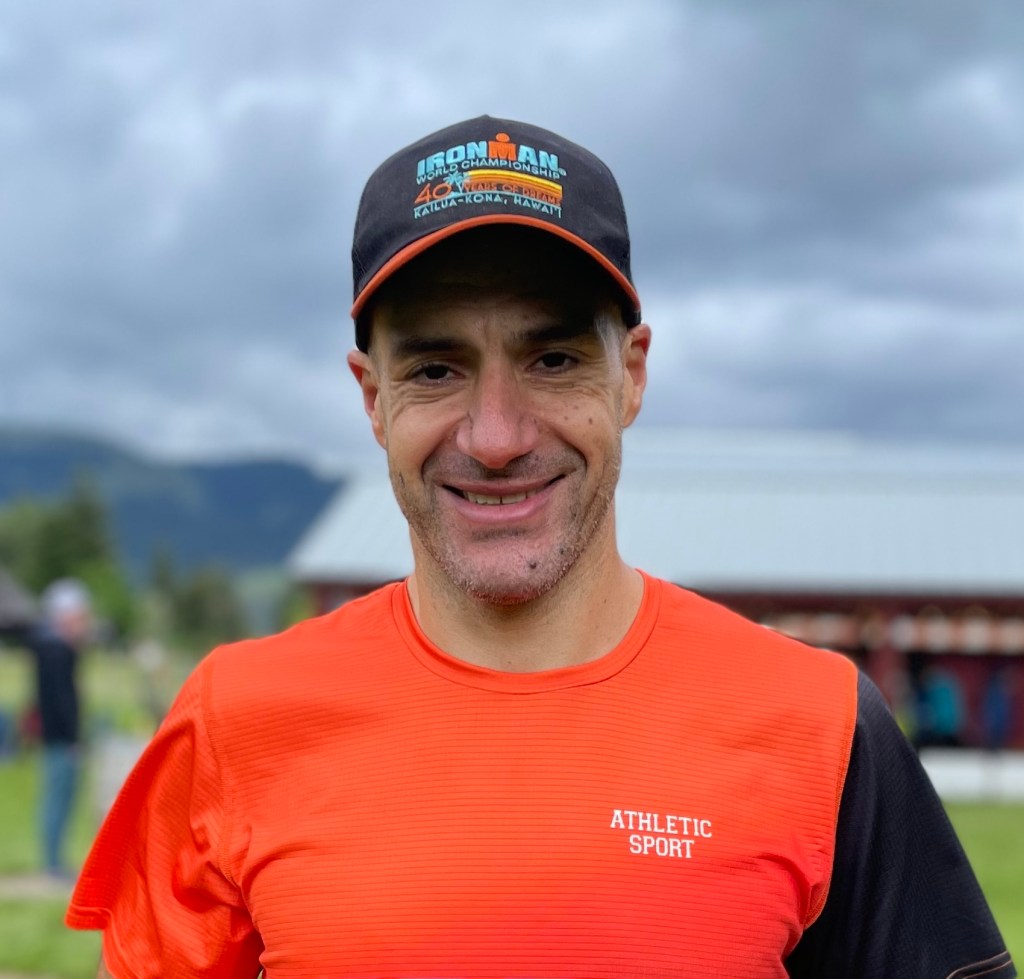
Andrés Sauma
Ironman U Certified Coach
Tridot Coach


 Andres Sauma Triathlete Blog
Leave a comment