
In the world of endurance sports, training periodization is a cornerstone of success. Traditional linear periodization, where athletes gradually increase training volume and intensity over time, has long been the standard approach. However, in recent years, reverse periodization has emerged as a compelling alternative, offering several advantages for athletes, especially those targeting longer-distance events.
Benefits of Reverse Periodization
- Enhanced Race-Specific Training: Reverse periodization allows athletes to focus on race-specific training, such as long, endurance sessions, closer to their target events. This approach ensures that athletes are optimally prepared to handle the demands of race day.
- Improved Power and Speed: By prioritizing high-intensity training early in the season, reverse periodization helps athletes develop greater power and speed, which can translate to faster race times.
- Reduced Risk of Injury: The gradual reduction in intensity and volume towards the end of the season can help mitigate the risk of overuse injuries, which are common in endurance sports.
- Enhanced Mental Preparation: The structured approach of reverse periodization can help athletes stay mentally focused and motivated throughout the year, as they have clear goals and milestones to work towards.
Who Benefits Most from Reverse Periodization?
While reverse periodization can be beneficial for a wide range of athletes, it is particularly well-suited for:
- Long-distance: Athletes competing in long distance events often benefit from the increased focus on endurance training closer to their target races.
- Experience: Athletes with a solid foundation of fitness and experience can handle the demands of high-intensity training early in the season.
- Athletes seeking to improve power and speed: Reverse periodization can help athletes develop the explosive power and speed needed to excel in their specific sport.
Key Points for Building a Reverse Periodization Season
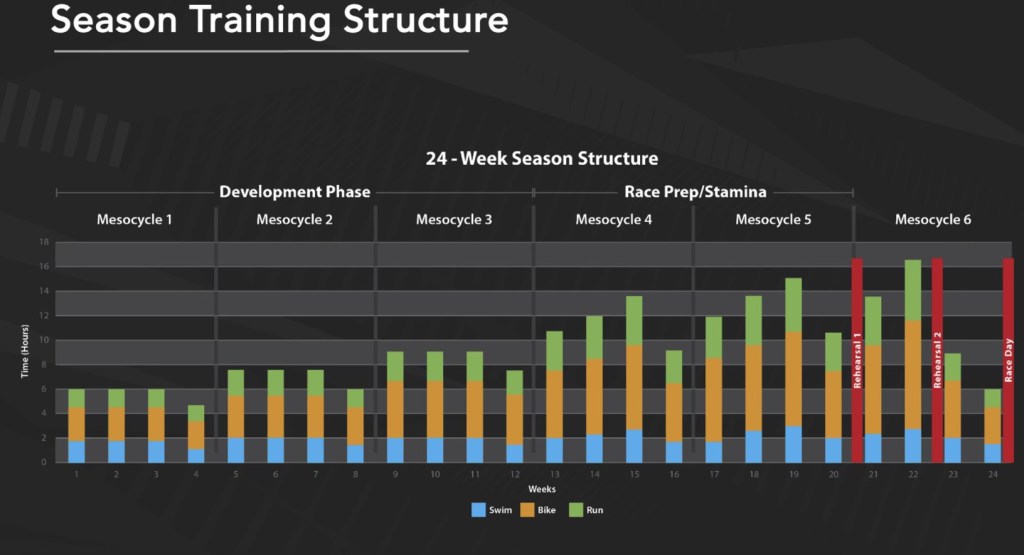
- Macrocycle Structure: A typical reverse periodization macrocycle may span 12-24 weeks and consist of three phases:
- Development Phase: Focus on high-intensity training to build power and speed.
- Race Preparation Phase: Gradually increase training volume and intensity to improve endurance and strength.
- Race Preparation Phase: Taper intensity and focus on race-specific training and recovery.
- Microcycle Structure: Each macrocycle is divided into microcycles, typically lasting 3-4 weeks. Each microcycle should include a variety of training sessions, including high-intensity intervals, endurance workouts, and recovery sessions.
- Individualization: It’s important to tailor the reverse periodization plan to each athlete’s individual needs, goals, and experience level. A qualified coach can help create a personalized training plan that maximizes performance and minimizes the risk of injury.
By understanding the principles of reverse periodization and working with a qualified coach, athletes can optimize their training and achieve their full potential.
If you need help with your training or need a Coach to prepare you for your next challenge, send me a message and I’ll be happy to help you.

Andrés Sauma
Ironman U Certified Coach
Tridot Coach


 Andres Sauma Triathlete Blog
Leave a comment